

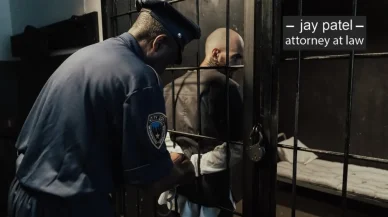
The 28.5-mile stretch of Scenic Highway 30A is known for its white sand beaches and small coastal towns. This laid-back area of Florida is a great place for spring break, but what happens when things take an unexpected turn, and you find yourself facing charges after an arrest? 30A spring break arrests can have long-lasting consequences, making it essential to have an experienced attorney to represent you.
At Jay Patel Attorney at Law, we can help you whether you are facing minor charges or you are charged with a major crime. Spring break in Florida is supposed to be filled with fun and sun, but even if you get arrested for something minor, it can have big consequences. Jay Patel’s background as a prosecutor and his years of experience as a criminal defense attorney are just what you need to help mitigate these consequences.
Common Types of Spring Break Arrests in 30A
According to the Florida Guidebook, about 40% of college students travel for spring break, and Florida is one of the most popular spring break destinations. In 2025, 143.3 million people visited Florida. In 2022, Walton County made over 1,100 arrests during Spring Break. With so many visitors during the spring break season, many of the arrests were students from out of state. Some of the most common arrests in Florida are for:
- DUI. Driving a vehicle under the influence of drugs or alcohol is a serious offense in Florida. Penalties can include fines, loss of license, and jail time.
- BUI. Boating under the influence of drugs or alcohol can be a misdemeanor or a felony if the incident resulted in a severe injury.
- Underage drinking. The legal drinking age in Florida is 21. Underage drinking is one of the most common spring break charges.
- Drug charges. If you are arrested for possession of a controlled substance, it carries the potential penalty of years in prison and a large fine, depending on the type of drug.
- Disorderly conduct. Under Florida statute 877.03, disorderly conduct is defined as a behavior that can corrupt public morals. It includes disturbing the peace, fighting, public intoxication, and exhibiting loud or aggressive behavior.
- Using a fake ID. The possession or use of a fake ID is illegal and can result in criminal charges.
What to Do After a Spring Break Arrest in Florida
If you are stopped by police while in the 30A area on spring break, there are some things you can do to avoid spending time in jail when you are supposed to be on vacation.
- Don’t run. Evading the police can result in an arrest even if you didn’t do anything wrong. If approached by law enforcement, answer their questions and be respectful.
- Don’t consent to a search. Law enforcement must have a valid reason to search you. You can politely decline.
- Don’t lie. Answer their questions truthfully, but say as little as possible. Don’t lie about your name or age.
If you are facing criminal charges after an arrest while on spring break, it’s important to speak with an experienced Florida beach criminal defense attorney. An attorney familiar with Florida’s criminal defense laws can help you protect your constitutional rights and navigate the legal process.
Possible Consequences for a Spring Break Arrest in Florida
It’s important to understand the potential consequences of an arrest during spring break in Walton County. Many law enforcement agencies have a zero-tolerance approach during spring break as a way to deter some disorderly behavior.
The penalties can vary depending on the severity of the charges, but some consequences for minor charges that can have lasting effects may include:
- Public exposure. Under Florida Statute §985.04, if a minor is charged with an offense that would be considered a felony if they were an adult, such as drug possession, their information becomes public, including their booking photo.
- Legal penalties. Possession of alcohol for individuals under the age of 21 is a misdemeanor that can result in jail time and seriously affect college admissions and other academic opportunities.
- Criminal records. A misdemeanor conviction can affect future employment.
- Return to Florida. Out-of-state spring breakers who are arrested in Florida may have to return to Florida for court dates.
Why Hire a Criminal Defense Lawyer
If you are facing charges after a spring break arrest, it’s important to hire a criminal defense lawyer who can help you through the legal process and work to mitigate the consequences. A local attorney may have more in-depth knowledge of the Walton County courts and their processes. This knowledge can help get you a more positive outcome in your criminal defense case.
FAQs
Can a Minor Be Questioned Without a Parent Present in Florida?
Yes. Florida law allows minors to be questioned without a parent present. There is no Florida statute that explicitly requires parental consent before questioning a minor. However, if a child is taken into custody, Florida statute §985.101 requires law enforcement to attempt to notify a parent as soon as possible.
What Happens if You Get Pulled Over with Alcohol in the Car in Florida if You’re Under 21?
If you get pulled over with alcohol in the car and you are under 21, you can lose your license, face misdemeanor charges, and fines. These consequences can occur whether the container is open or closed. It is a second-degree misdemeanor for anyone under the age of 21 to possess alcohol.
Can I Go to Jail for a Crime in Florida if I Live Out of State?
Yes, you could go to jail in Florida for a crime you committed in the state, even if your permanent residence is in a different state. Typically, crimes are tried in the state where the offense occurred. If you were arrested for a 30A spring break offense, you are likely to face penalties in Florida. A criminal defense attorney can help you reduce the risk of harsh consequences.
What Crimes Does Florida Extradite For?
Florida typically extradites for felony warrants and the more serious charges. In many cases, a person charged with a misdemeanor will not be extradited unless the charges are linked to other, more serious charges. Other factors that determine whether Florida will extradite include the location of the offense, whether there is a warrant, and the identity of the individual.
Contact a Criminal Defense Attorney
If your spring break ended with you facing charges, contact Jay Patel Attorney at Law. Even if the charges are minor, they can have long-lasting effects. Jay Patel can review the facts of your case and work to get you a positive outcome.